
Stronger Regions, Healthier Lives

Advocacy and Listening
Behind every policy and program is a person or family trying to be heard. We provide a listening ear and clear guidance, helping people find their way through health, aged care, and community systems while keeping wellbeing at the centre.
Governmental Advocacy
We speak up for communities too often left out of the conversation—especially regional and rural voices. By engaging with governments and organisations, we push for policies that deliver fairer outcomes in health, aged care, and community wellbeing.

Strategy Development
Good intentions aren’t enough. We develop clear, evidence-based strategies that challenge waste, strengthen services, and put compassion at the centre of care and community wellbeing.
Information Dissemination
Information should empower, not overwhelm. We cut through the noise to share solutions and insights—whether in health, care, or regional wellbeing—that drive real change on the ground.
Information should empower, not overwhelm. That’s why we focus on clarity—amplifying community voices, translating complex systems into practical guidance, and sharing solutions that matter. From aged care and health to broader regional wellbeing, our aim is to turn knowledge into real change on the ground.

Why Regional Policy Fails: We Fund Projects, Not Places
Regional Australia doesn’t suffer from a lack of funding—it suffers from a lack of coherence. This article explores why decades of infrastructure and industry investment haven’t translated into stable communities, and what timber transition programs reveal about what regions actually need to function.
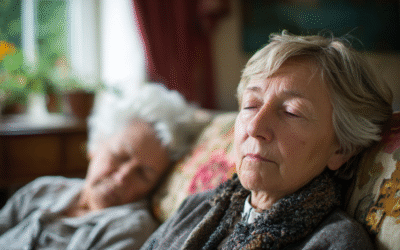
Trapped by Time: Why Carer Support Misses Those Who Need It Most
Unpaid carers across Victoria live in a state of constant vigilance—broken sleep, rushed supermarket trips, and no safe time to step away. Despite new funding streams, the supports on offer rarely reach those under the greatest strain. This piece explores why—and what a time-first approach could finally change.

Assistive Tech and Home Mods after Nov 1
From Nov 1, new aged care rules fund equipment & home mods separately. Learn how to apply, avoid traps & get what you need quickly.

Ageing in Place, Dying in Transit
When death is certain, the question isn’t whether someone will die, but how. In regional Victoria, that answer depends less on medicine than on minutes - and those minutes are shaped by local government.TL;DR Four in five deaths in Australia are expected — the slow...

Piggy in the Middle: Why Small Rural Towns Struggle for Healthcare
Small rural towns — the heart of regional Australia — face a healthcare paradox. They’re too large for remote funding but too small for specialist economies of scale. With 55% fewer health professionals and 4.6x fewer dentists than cities, MM5 towns sit “piggy in the middle.” This article explores the funding shortfall, workforce strain, and what needs to change.

When Plates Can Talk: How AI Is Reshaping Food Service in Aged Care
Nearly 40% of aged care food is thrown away—unrecorded, unnoticed, unremarked. But a new generation of AI tools is changing that. By tracking what’s actually eaten, systems like AFINI-T offer real-time insight into nutrition, risk, and resident dignity—transforming food from a static cost into a dynamic source of intelligence. This isn’t about surveillance. It’s about finally listening to the plate.

Popcorn Brain and the Rural Attention Crisis
Many teens in rural Australia are showing signs of “popcorn brain”—a form of digital overstimulation that mirrors ADHD. But the problem isn’t just screen time—it’s what the screen replaces. This article explores the intersection of tech, mental health, and rural inequality—and offers ideas for change.

The Hidden Harm of Aged Care Star Ratings and SIRS
The Serious Incident Response Scheme was meant to protect aged care residents. But when incident data affects star ratings and KPIs, staff face pressure to stay silent. This article explores how a culture of blame is distorting care, risking safety, and punishing truth-tellers instead of fixing systems.

Emergency Planning for Elderly and Carers in Gippsland
A new emergency response plan in Gippsland puts carers, older residents, and people with disabilities first. Here’s what’s changing, and what small steps you can take now to stay safe in a disaster.

The Forgotten 500,000: Mental Illness, the NDIS, and the System We Don’t Talk About
An estimated 500,000 Australians with serious mental illness don’t qualify for the NDIS—and are left without critical psychosocial support. The system isn’t just failing them. It’s forgetting them.