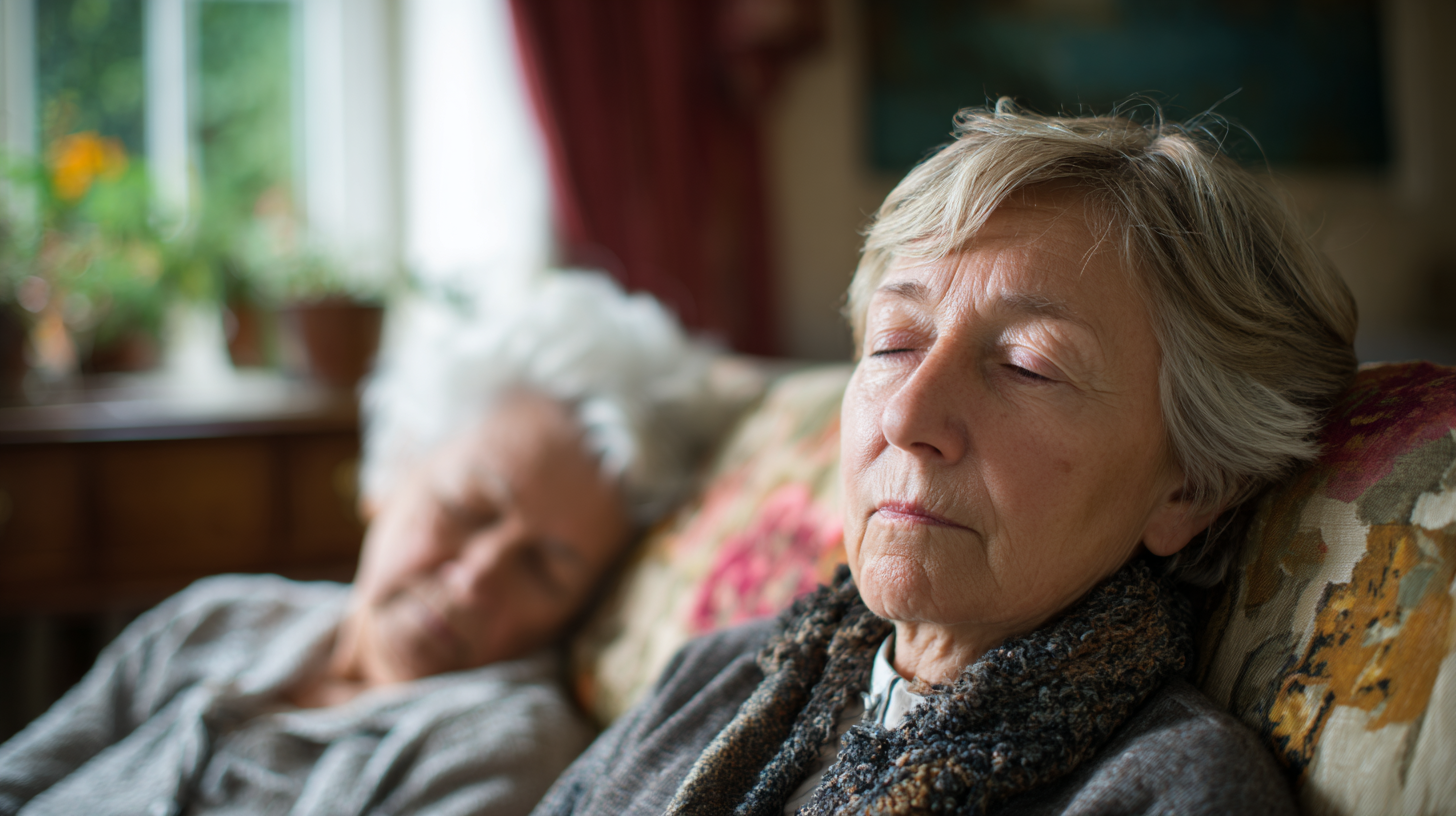
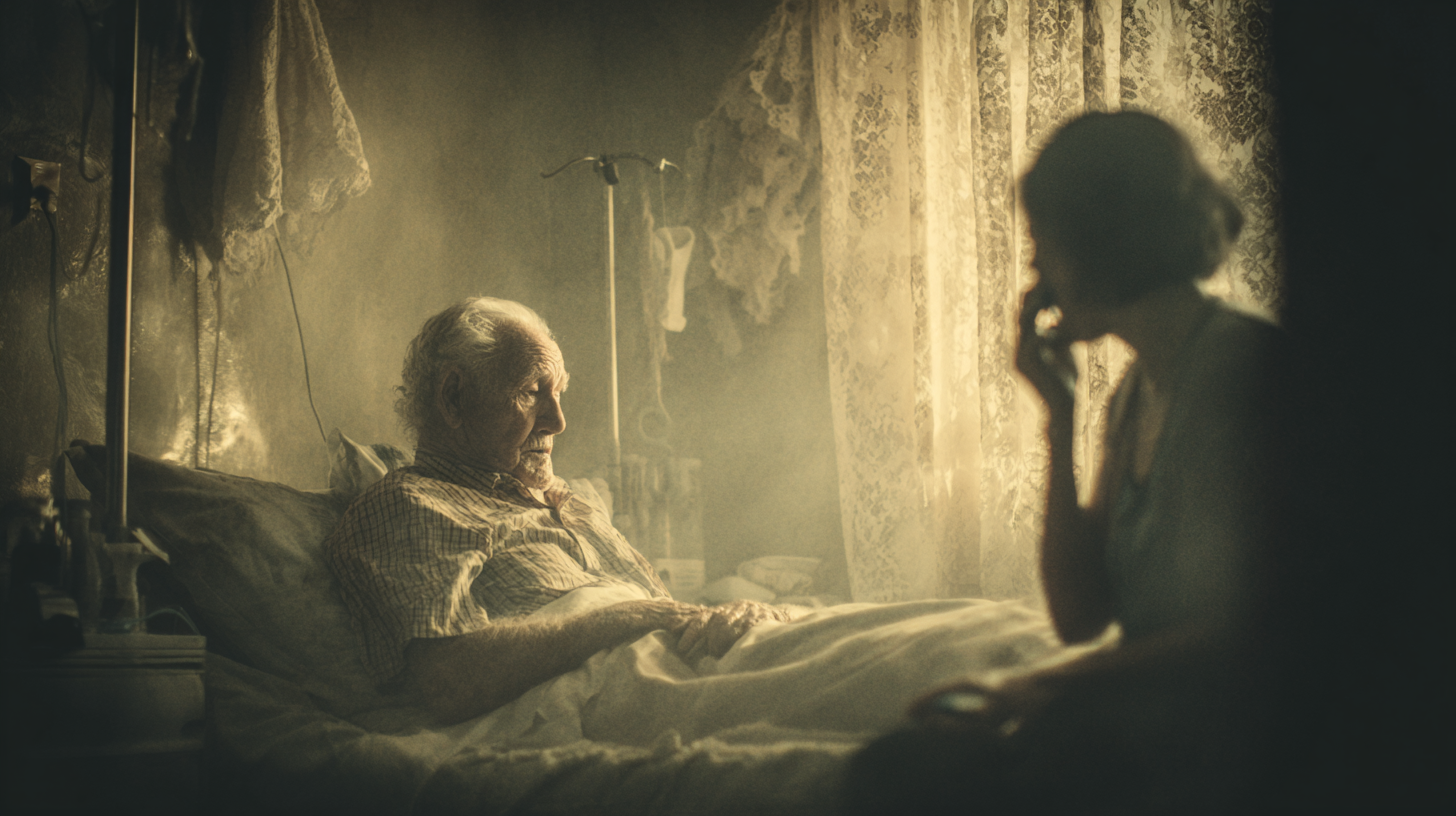
"Mum wanted to die in her lounge, looking out at the cows. I wanted to give her that."
—Karen, daughter and carer, Gippsland VIC
Most Australians say they want to die at home. Fewer than one in five get to.
From November 1, 2025, the federal government’s Support at Home reform will include a new end-of-life pathway—offering up to $25,000 in additional funding over the final 16 weeks of life. It’s a landmark move, the first time end-of-life care at home has been formally embedded into Australia’s aged care funding structure.
But in rural and regional Australia, where nurses are stretched across hundreds of kilometres and every support worker drives with one hand on the wheel and the other on the clock, that money won’t go far. And it won’t fix what’s already broken.
A Good Idea—On Paper
Let’s be clear: the idea itself matters. Until now, families cobbled together end-of-life care from regular home care package funds—funds that weren’t built for sudden spikes in need, for 24-hour vigils, for beds in the living room and morphine in the fridge.
Under the new system, older Australians who are deemed to be in their final three to four months of life will become eligible for a supplementary $25,000 care allocation. This sits on top of any existing Support at Home funds.
Services can include:
- Personal care
- Domestic help
- In-home respite
- Basic nursing
- Emotional or spiritual support
Importantly, it’s not means tested, and the funds are designed to activate quickly—once a clinical prognosis is made.
The Reality on the Ground
Here’s where things get tough. The $25,000 cap might cover some basic supports in metro areas. In the bush, that figure buckles under the weight of geography.
“It took three weeks just to get an OT out here. By then Dad couldn’t walk anymore,” says Rhonda from Gippsland, Vic.
Travel fees are a quiet killer of rural care budgets. While urban clients may pay minimal travel time, rural clients routinely face $2/km surcharges. In Gippsland, a nurse travelling 120 km each way to a property could bill close to $500—before even walking through the door.
Then there’s availability. Some communities simply don’t have enough palliative-trained workers. In cases where local providers are full or non-existent, families must turn to private services—at rates far exceeding what the fund can sustain.
What the Package Does Offer
To give credit where it’s due: this is the first time the government has put dedicated dollars behind home-based end-of-life care.
It recognises that death, too, is a stage of life—one that deserves funding, dignity, and forethought.
- The funding is separate, meaning it won’t erode existing support hours.
- It activates quickly—unlike standard home care packages, which often involve months-long waits.
- Families can direct the funding toward flexible supports, from housekeeping to short-term nursing to pastoral care.
In theory, that makes it one of the more compassionate features of the aged care reform.
But It’s Not Built for the Bush
Here’s the short version: $25,000 isn’t enough for 24/7 care. Not even close.
In regional areas, one week of overnight support could swallow $5,000 to $7,000, particularly if travel is involved. That means the whole end-of-life allocation could disappear in just a few days—leaving families scrambling.
There’s also no adjustment for distance or regional scarcity. The package doesn’t recognise that the cost of care in Ouyen or Tumut is fundamentally different to that in Brisbane or Melbourne.
“It’s not the money—it’s the missing people. We’ve got the funding, but no one to send,” says Gerry, a retired farmer and carer from Omeo Vic.
The system assumes availability. In regional communities, that’s a dangerous assumption.
What Families Should Do Now
If you’re in a rural or regional area and want to give a loved one the chance to die at home, now is the time to plan.
Ask your provider:
- Are there local workers trained in palliative support?
- What are your travel fee policies?
- Will you help trigger the funding early, if decline is evident?
Talk to My Aged Care and your GP: Make sure prognosis discussions are documented. This triggers the 16-week funding period.
Talk to your council and local MP: Push for regionally adjusted models, or at least travel fee exemptions, to be part of future reform.
Final Thoughts: The Cost of a Good Death
No one should have to choose between dying at home and bankrupting their family. The November 2025 changes are a step toward acknowledging that. But until regional access is treated as a structural issue, this reform risks creating another postcode lottery.
A peaceful death shouldn’t be a luxury. It shouldn’t depend on whether you live on a sealed road, or whether a nurse can afford to drive three hours for a 90-minute visit.
“Mum died in a hospital bed, staring at a ceiling. That wasn’t her dream, and it wasn’t ours,” Karen said, voice flat. “If we’d had just a bit more help, we could’ve brought her home.”