Australia’s care systems have never been larger or more sophisticated. So why do so many families feel emotionally and administratively overwhelmed?

When Care Became a Service
read more...
Australia’s care systems have never been larger or more sophisticated. So why do so many families feel emotionally and administratively overwhelmed?

Dementia is increasingly common — but Australia’s voluntary assisted dying laws largely exclude it. This article explores why reform is needed, the ethical tensions involved, and the safeguards required to do it safely.

Unpaid carers across Victoria live in a state of constant vigilance—broken sleep, rushed supermarket trips, and no safe time to step away. Despite new funding streams, the supports on offer rarely reach those under the greatest strain. This piece explores why—and what a time-first approach could finally change.

From Nov 1, new aged care rules fund equipment & home mods separately. Learn how to apply, avoid traps & get what you need quickly.

When death is certain, the question isn’t whether someone will die, but how. In regional Victoria, that answer depends less on medicine than on minutes - and those minutes are shaped by local government. TL;DR Four in five deaths in Australia are expected — the slow...

Nearly 40% of aged care food is thrown away—unrecorded, unnoticed, unremarked. But a new generation of AI tools is changing that. By tracking what’s actually eaten, systems like AFINI-T offer real-time insight into nutrition, risk, and resident dignity—transforming food from a static cost into a dynamic source of intelligence. This isn’t about surveillance. It’s about finally listening to the plate.

The Serious Incident Response Scheme was meant to protect aged care residents. But when incident data affects star ratings and KPIs, staff face pressure to stay silent. This article explores how a culture of blame is distorting care, risking safety, and punishing truth-tellers instead of fixing systems.

A new emergency response plan in Gippsland puts carers, older residents, and people with disabilities first. Here’s what’s changing, and what small steps you can take now to stay safe in a disaster.

Caring for loved ones shouldn’t require a degree in bureaucracy. Yet thousands of Australians are managing kids, parents, and three care systems that don’t talk to each other. This deep dive into the “care squeeze” reveals how fragmented services are making carers invisible—and what can change.
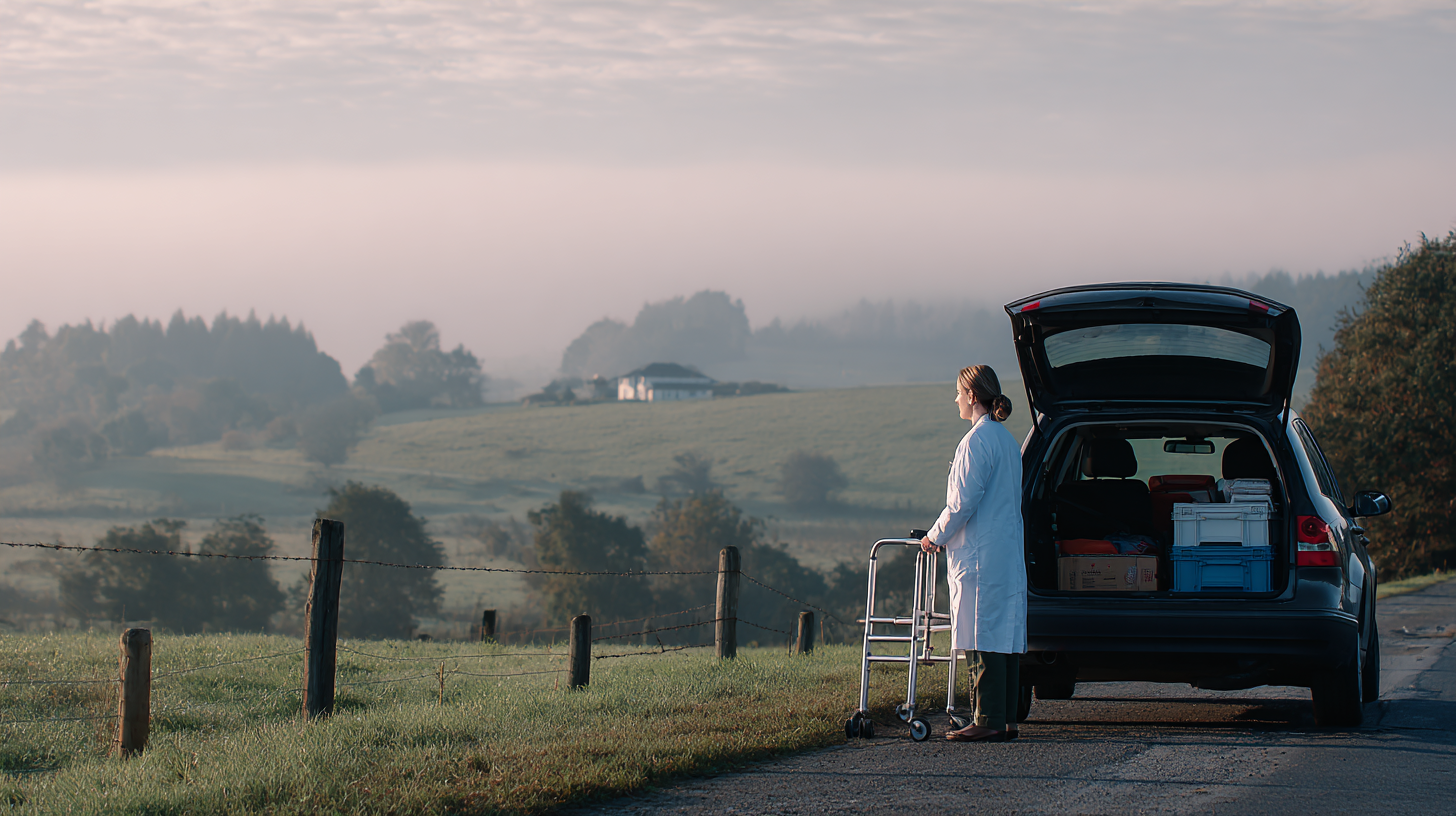
Why are rural Australians waiting months for therapy while city clinics are at capacity? It’s not about demand—it’s about economics. From unpaid student placements to travel reimbursement cuts, allied health professionals are being priced out of regional practice. And unless we fix the funding model, rural communities will keep falling through the cracks.

When it comes to aged care in regional Australia, do robotic pets soothe the soul—or just simulate it? Real animals offer connection that machines can’t fake. Here’s why it matters.

A new $25,000 end-of-life care package promises dignity at home. But in rural Australia, where services are scarce and travel costs stack up, is that promise just words on paper?

Big changes are coming to aged care fees from November 2025 — and not everyone will be protected. This guide breaks down what’s changing, who’s covered under the “no worse-off” rule, and what to do if you can’t afford the new costs.