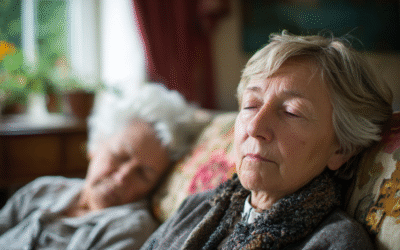
In rural and regional communities, connection matters. When aged care homes trial robotic pets—like fluffy seals that blink or mechanical cats that purr—it raises a tough question: is comfort enough if it’s artificial? For some, robotic animals offer moments of calm. But for many, especially in country towns where a dog on a ute or chickens in the backyard are part of daily life, nothing replaces the presence of a living, breathing creature.
A Growing Trend: Robot Pets in Aged Care
Hospitals and aged care facilities around Australia, including Townsville University Hospital, have trialled robotic pets like PARO (a robotic seal) and Joy for All animatronic cats. These companions respond to touch and sound, offering calming interaction without the risks associated with live animals—no allergies, no bites, no mess.
Advocates argue that for residents with dementia or severe frailty, robotic pets can reduce agitation, soothe anxiety, and fill emotional gaps in overstretched systems. During COVID-19 lockdowns, when real visitors and therapy animals couldn’t enter, these machines served as a stand-in for affection.
But is this a compromise too far?
What the Research Says
A 2023 review published in BMC Geriatrics found robotic pets do offer short-term improvements in mood and anxiety. But deeper studies show something else: over time, interactions with robots plateau. They don’t stimulate memory, foster conversation, or build long-term connection the way live animals do.
In contrast, animal-assisted therapy (AAT) and live pet visits consistently produce stronger emotional and social outcomes. One study from Denmark comparing a robot, a plush toy, and a real dog found that only the live dog sustained eye contact, conversation, and emotional connection over time.
And in regional areas, that’s no small thing.
Live Animals in Regional Aged Care: A Natural Fit
In farming communities and small towns, many older Australians grew up surrounded by animals. They remember milking cows, calling dogs home before a storm, or chatting to the cat under the veranda. For them, touch isn’t just sensory—it’s a memory lane.
When a therapy dog visits, the change is visible. “She lit up when that border collie came in,” said Robyn, a care worker from Gippsland. “It was like someone turned the light back on.”
Care homes across Australia are catching on:
- In some, chickens or cats live on-site, giving residents a sense of routine and responsibility.
- Others host weekly animal visits—dogs, rabbits, even the occasional lamb—bringing the outside world in.
- Some facilities allow residents to keep their own pets, with staff or family support.
These aren’t gimmicks. A 2023 review by the UK’s National Institute for Health and Care Research showed that live-in animals—not robots—delivered the most meaningful long-term emotional benefits, especially in smaller facilities where routines are more flexible.
The Regional Challenge—and Opportunity
Regional aged care homes face particular hurdles. Staffing is tighter. Resources are stretched. And travel fees make it harder to bring in therapists, entertainers—or therapy animals.
That’s why live animals, especially if integrated into the environment, offer a sustainable, high-return solution. A resident cat doesn’t need a booking. A backyard chicken coop doesn’t require a psychologist.
But these programs do need planning:
- Clear hygiene and allergy protocols.
- Local partnerships with animal groups, vets, and volunteers.
- Flexibility in care models to accommodate animals as more than a once-a-month event.
If we can solve the logistics, the benefits far outweigh the effort.
So, Are Robotic Pets Bad?
Not necessarily. For residents with severe allergies or high infection risk, they’re a safe alternative. For people with late-stage dementia, a blinking seal might offer moments of calm no one else can reach.
But when robotic pets are used instead of real connection—not alongside it—we risk replacing intimacy with imitation. Especially in rural areas, where pets were once family, that feels like emotional bait-and-switch.
What Needs to Change
- Fund live pet programs—especially in smaller regional homes.
- Build in partnerships with local vets, rescue shelters, or 4-H groups.
- Support flexible models where residents can bring beloved pets.
- Use robotic pets thoughtfully, not as default solutions.
- Involve families in decision-making. Some may prefer real dogs; others may be comforted by a robotic purr.
As aged care shifts toward tech-based solutions, we shouldn’t forget the power of a warm nose and a wagging tail. In regional Australia, where animals have long been part of the social fabric, we owe it to our elders to offer more than simulation.
Connection, after all, isn’t just about safety. It’s about soul.